What is DHCP?
In a network all the
Layer 3 devices need to have an IP address. We can give these IP addresses
manually one by one or
dynamically and
automatically with IP address allocation mechanism,
DHCP (Dynamic Host Configuration Protocol. Here, beside IP addresses, we can configure the allocation of other IP related configurations with DHCP. In this lesson, we will learn
What is DHCP? In another lesson, we will see
How to Configure DHCP With Packet Tracer?
DHCP (Dynamic Host Configuration Protocol) has three
DHCP IP Allocation Mechanisms. These are:
• Dynamic
• Automatic
• Manual
The first one is
Dynamic IP Allocation.
Dynamic IP Allocation, allocates IP addresses from a predefined Pool and can be cancelled.
Secondly,
Automatic IP Allocation. In
Automatic IP Allocation, allocates IP addresses from a predefined Pool too, but this time can not be cancelled.
Thirdly,
Manuel IP Allocation. In
Manuel IP Allocation, allocates IP addresses according to request of host and this is a range out of the pool.
If,
DHCP assigns IP addresses from its predefined
IP Pools dynamically, it leases these IP addresses for a short time to the DHCP Client. And DHCP Client uses this IP address until it expires. Before the expiration, DHCP Client request renewal or another IP address.
DHCP Devices and Roles
In DHCP (Dynamic Host Configuration Protocol) terminology, there are different devices and roles. These devices and roles are:
• DHCP Server
• DHCP Client
• DHCP Relay Agent
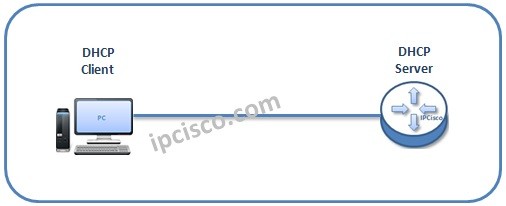
First of all, we do the configurations on
DHCP Server. These configurations are, all the configurations like IP Address Pools, Gateway Address etc. It is the mechanims that has the IP pools and provides IP addresses to the other nodes.
Secondly,
DHCP Client is the other hosts here. The devices that need IP in a network is the DHCP Client for DHCP Server. To be so, it is also need to be configured to use this DHCP Server.
Thirdly,
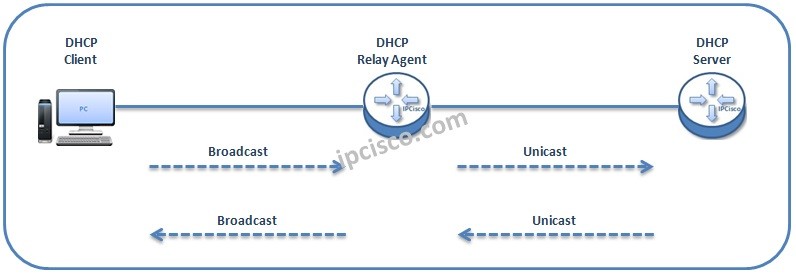
DHCP Relay Agent is the device stays between the DHCP Client and DHCP Server if these two main DHCP elements are in different networks. Some of the messages of the DHCP are broadcast. So, normally, Broadcast do not pass from one network to an another network. Here, Relay agents converts these broadcast messages to unicast messages.
DHCP Messages
DHCP IP Address Allocation is done via
DHCP messages.
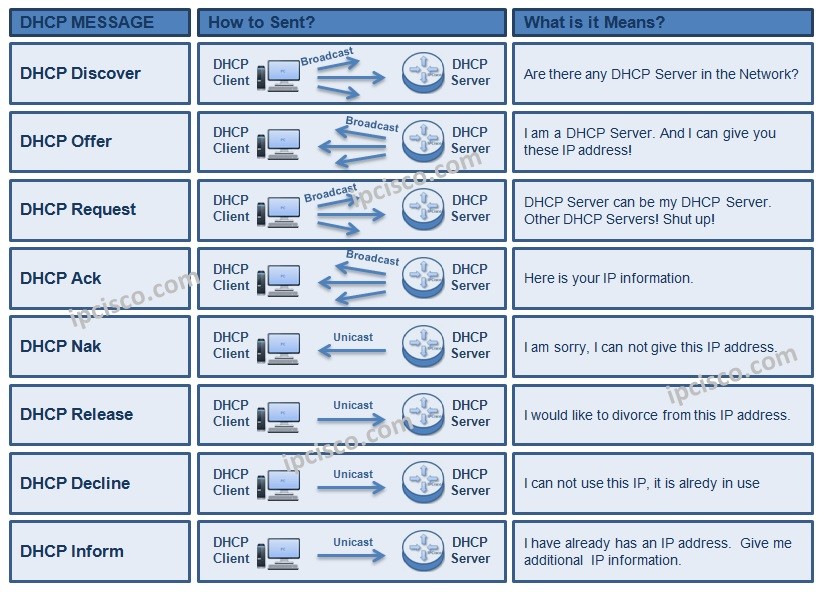
With these messages, DHCP Server that will assign IP address, is determined, IP address assignments is done and other IP allocation actions achieved.
What are these
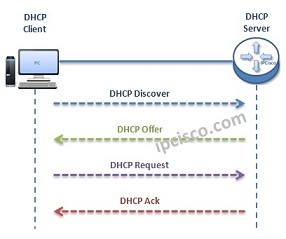
DHCP Messages? These DHCP messages are:
• DHCP Discover
• DHCP Offer
• DHCP Request
• DHCP Ack
• DHCP Nak
• DHCP Release
• DHCP Decline
• DHCP Inform
The first four of these messages are for a successfull
DHCP IP Allocation Operation.
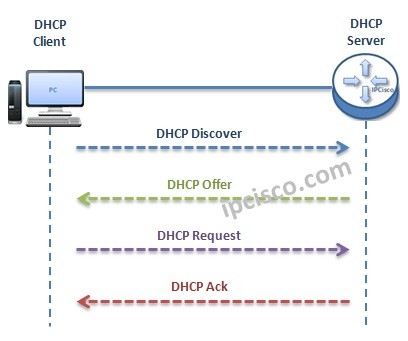
We will talk about DHCP Messages deeply, in the
DHCP IP Allocation Operation article.
Below, you can see the picture of this details 😉
Are There Any Other IP Allocation Protocol?
IP Allocation is an important process for networks. And DHCP does IP Allocation duty very efficiently.
There is also another protocol for IP allocation that is very old. This Protocol is
BOOTP. The long name of it is
BOOTstrap Protocol. Previously, it was used to assign IP addresses to the devices during boot process. But, nowadays, it is rarely used.
[sc name=”ContentRMessage”]